
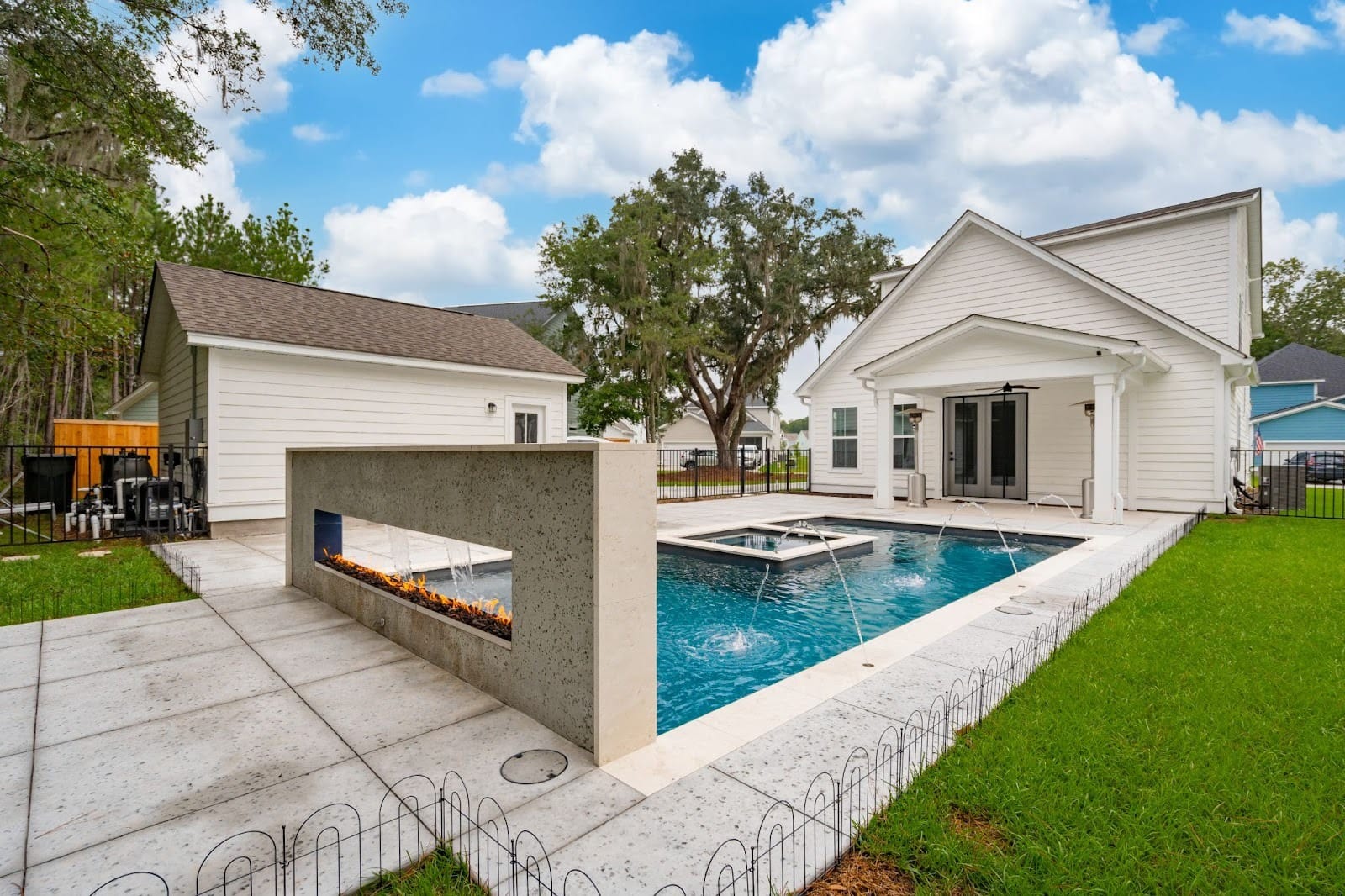
Custom pool construction is about creating a luxurious oasis that’s tailored to your backyard, goals, and lifestyle. While the process ofbuilding a pool can sound extremely exciting and fun, most homeowners don’t realize how many moving parts are involved in the process.
Design, permitting, excavation, construction, electrical, plumbing, timelines, budgets, and more: Homeowners need to navigate a litany of tasks to complete their beautiful swimming oasis. Fortunately, understanding the process and scope of the project can help homeowners better prepare themselves for all the nitty-gritty details of luxury pool construction.
Legacy Pools here: if you’re thinking of installing a new swimming pool in your backyard, then you’ll want to read on.
Our pool pros built this article to help you navigate the waters of custom inground pool construction.
In this article, we’ll show you everything you need to know to take your backyard from a hole in the ground to a whole lot of fun, including:
| 1. What is custom pool construction? 2. What do you need to understand about planning for custom swimming pool construction? 3. How custom pool construction works 4. Timelines involved with custom swimming pool installations 5. Factors that can affect custom swimming pool builds 6. Benefits of choosing custom pool builders for your new backyard pool build 7. What to know before starting a custom pool project 8. How to know if custom pool construction is right for you |
Let’s dive in.
What is custom pool construction?
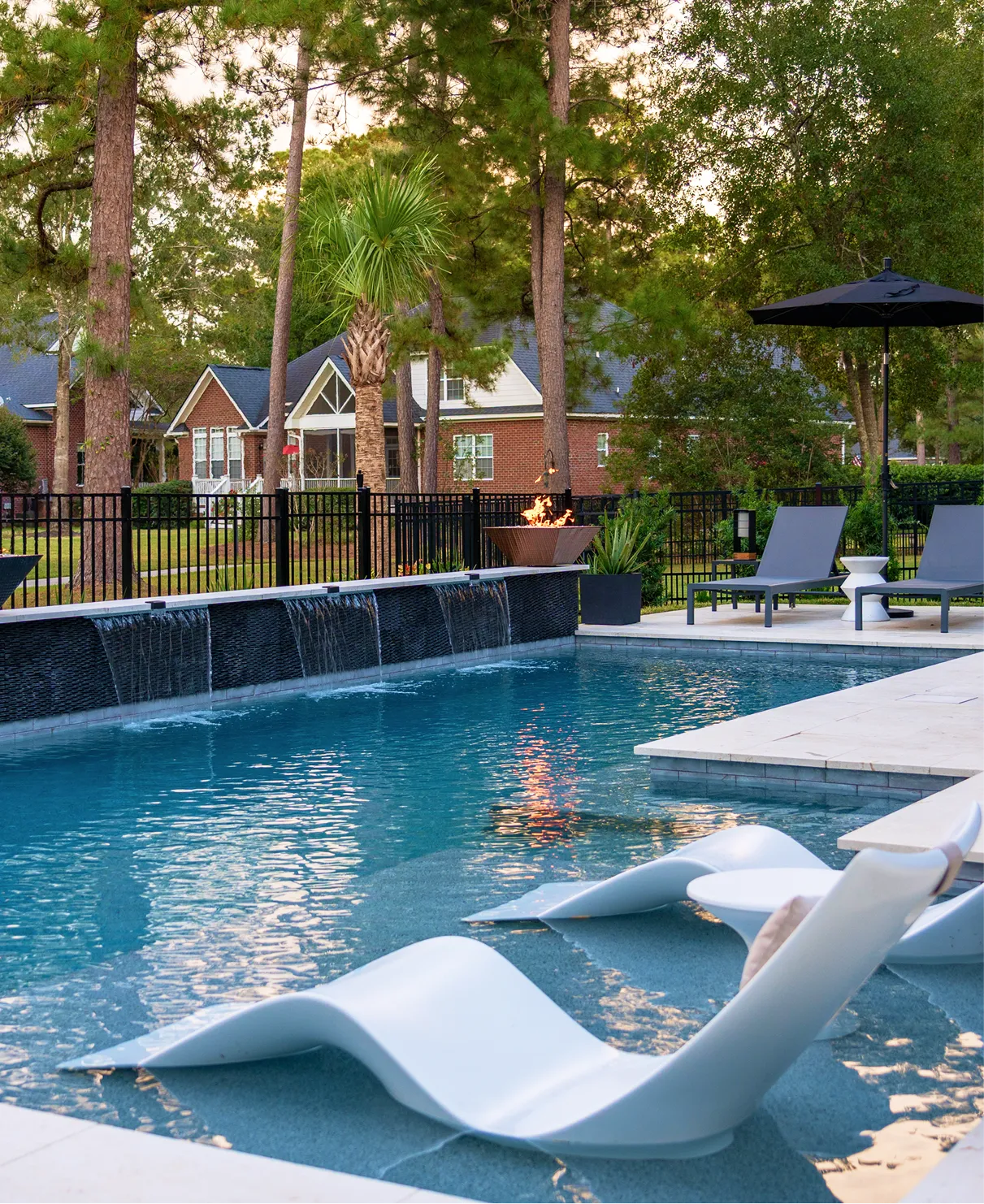
Custom pool construction refers to the process of designing and building unique, in-ground swimming pools built to fit your unique style, backyard, and home.
As opposed to stock, pre-fabricated pools, custom pool construction involves tailor-made pool designs that are installed and built in your backyard. Custom pool construction also involves custom pool features, such as:
- Waterfalls
- Scuppers
- Spouts
- Tanning ledges
- Fire and copper bowls
- Special LED lighting
- Decking
- And more
Many homeowners choose custom builds because they give homeowners greater flexibility and creative liberty to create a pool with the right dimensions, scale, features, and depth for their backyard layout.
Planning for custom pool construction
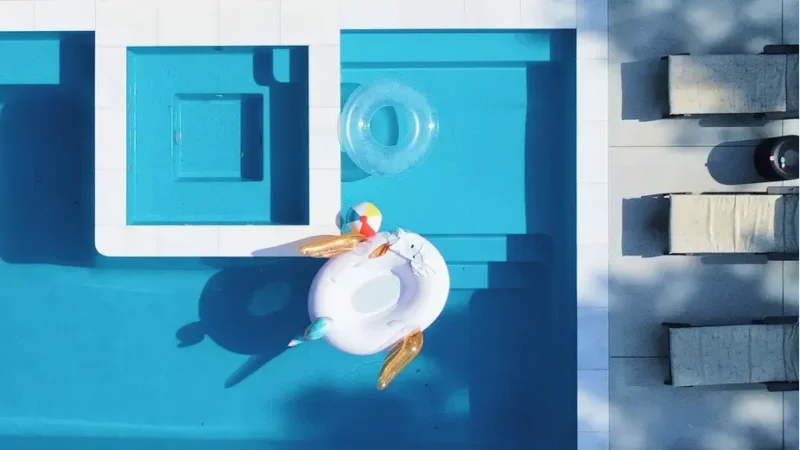
Like any major home improvement project, the construction process for a custom pool involves several steps. The most common steps involved in planning for custom pool construction are the following:
- Getting clear on your budget and goals
- Evaluating your backyard space
- Determining the layout of your pool, including the shape, depth, and features of the pool
- Planning for permits and building site-related requirements
- Finalizing the design and materials of your project
We’ll dive into each of these key pool construction milestones in the next few sections.
Defining your goals and budget
When preparing to build your backyard pool, some elements of the build are fairly obvious: the cost of materials, the installation, and labor fees.
But many hidden costs also exist. As part of your budget and goals, we recommend budgeting for the following processes that often go overlooked:
- Excavation and grading of your backyard
- Fees for permits and inspections
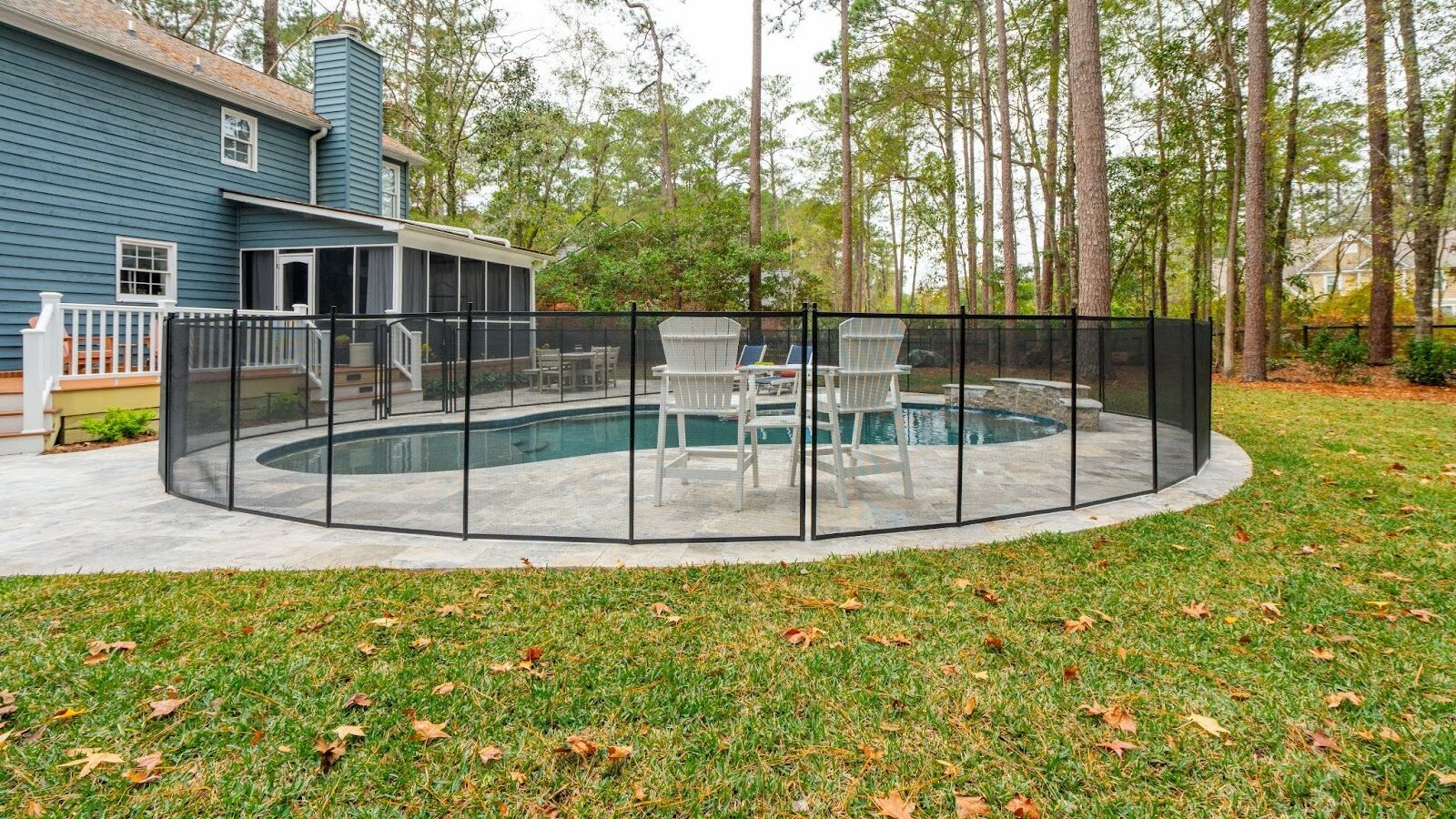
- Fencing (required in most areas to comply with local safety codes
- The cost of coordinating utilities (like gas, electric, and plumbing) with your build
- Ongoing maintenance (like balancing water chemistry, pool cleaning, and pool equipment repairs)
- Potential housing insurance increases due to building a backyard pool
Evaluating yard size and layout
When planning for your new backyard pool, you’ll want to factor into account the backyard elements for your new dream pool:
- The slope and grade of your yard
- Soil conditions
- Existing landscaping that could affect the layout of your new pool
- Drainage patterns from existing infrastructure
- The location of underground utility lines
- Access points for machinery needed to install your pool
- Nearby outdoor structures that could affect the build
Your pool contractor should guide you through each of these, but having as much information as possible about these points will help you to expedite the installation process and keep your build on time and on budget.
Choosing pool shape, depth, and features
This is the fun part. One of the best parts of the pool experience is planning your new custom pool.
From browsing through special features and automation systems to choosing premium materials and custom pool designs, your pool builder will seamlessly walk you through what you need to determine the dimensions and scope of your project.
Reviewing permits and site requirements
This is the not-so-fun part. Every municipality has different requirements regarding permits for building. As such, your pool contractor should take care of filing the paperwork to receive your permits.
They’ll also work with you and your local municipality to determine what’s needed to access your backyard and the excavation site. All that’s left to do is finalize the design and materials.
Finalizing design and materials
As part of finalizing the beginning of the custom pool construction process, you’ll select between gunite/concrete, fiberglass, or vinyl liner materials for your new pool. Your pool contractor will walk you through the advantages and disadvantages of each to ensure you get exactly what you’re looking for.
How custom pool construction works

Pool construction involves multiple steps. A new inground pool requires meticulous craftsmanship and diligent project management.
The pool construction process tends to look something like this:
- Site preparation and layout work
- Excavation for where the pool will be
- Structural framework
- Plumbing and electrical work
- Shotcrete or gunite application (for concrete pools) or shell application (for fiberglass pools)
- Decking, coping, tiling, and finishes
- Starting up pool equipment and conducting final walkthroughs
Let’s take a look at each of these processes in greater detail.\
Site preparation and layout
When the time comes to execute your new pool build, your pool professionals will secure necessary permits or homeowner association (HOA) approvals before work begins. Utilities are cleared, and your backyard is cleared so that heavy machinery can safely access your backyard space.
For example, obstacles like fences or trees may be removed, entry points are made visible, and the area is adjusted or leveled to help prepare for excavation. Finally, temporary barriers may be placed to help manage loose soil, and string lines, stakes, & spray paint may be used as your crew outlines the dimensions of your new backyard pool.
Excavation
Excavation tends to take about one to two days, depending on the equipment used and the amount of space that’s dug up. The excess dirt is then used to backfill your backyard space, or it’s hauled away for disposal or to be used for other landscape projects.
Structural framework
There are several different types of structural frameworks for custom pools, including:
- Gunite pools
- Fiberglass pools
- Vinyl liner pools
- Stainless steel pools
- Modular, pre-fabricated pools
Depending on the type of structural framework used, your pool contractors will work to install the necessary infrastructure to create the shape of your pool. For example, with gunite pools, your pool contractor will install steel rebar to create the shell of your pool.
The architectural blueprint for your outdoor living space slowly begins to take shape.
Plumbing and electrical setup
Once the shell of the pool is complete, it’s time for plumbing and electrical work. Common plumbing infrastructure that your pool builder will set up includes:
- Skimmers and returns
- Main drains
- Plumbing lines
- Pool equipment, such as the pool pump, heater, and filtration system
Electrical installation involves:
- Bonding
- Grounding
- Underwater lighting
- Setting up an electrical panel
Through this process, your pool builder will ensure that water circulation, heating, and lighting work as they should.
Shell application or construction method
Your professional pool builder has installed the shell of your pool. Now, it’s time to fill it in.
Depending on the type of inground swimming pool you’re building, your backyard spa comes to life at this stage. For example, with a custom gunite pool, your team will spray shotcrete or gunite concrete on the infrastructure, where the concrete will cure over several weeks.
Once the shell of your aquatic paradise has been filled in, your pool builder will begin working on detailing your pool and completing final design finishes.
Decking, coping, tile, and finishes
Now that the shell of your pool is built and has cured, all that’s left for your inground pool is the surrounding area around the shell. At this point, your builder will start working on the decking, coping, tiling, and final finishes.
Whether you opted for a sleek infinity pool or a small plunge pool, your team will implement your design changes. Whether you choose polished pebble, quartz, or glass beads, your pool begins to look like a work of art.
It’s at this stage that the pool finally looks swim-ready. All that’s left is to power up the equipment and teach you how to use your new backyard spa.
Equipment startup and final walkthrough
For all pool builds and renovations, the final step is to start up the equipment and conduct a final walkthrough to ensure that everything operates as it should.
To give you peace of mind, your pool builder will teach you how to use your new pool (welcome to pool school). If you have any last questions about using, caring for, or maintaining your pool, your pool builder is here to help.
If you have no other questions, your pool team cleans up, packs up, and turns the pool over to you to enjoy.
Custom pool construction timeline
So, how long does it take to build a custom backyard spa? You might be wondering.
The short answer is as little as 30-60 days. The longer answer is three to six months or more, depending on the size and complexity of the build.
Other factors that can affect pool construction timelines include:
- Site conditions
- Seasonal weather patterns
- Permit approval and timing
- Added features
A custom luxury pool tends to take longer than a pre-fabricated or modular pool build, because the former requires more moving parts and is more design-heavy by nature. The tradeoff is that you get a long-lasting, functional, and luxurious pool that lasts for decades to come.
What affects custom pool construction costs?
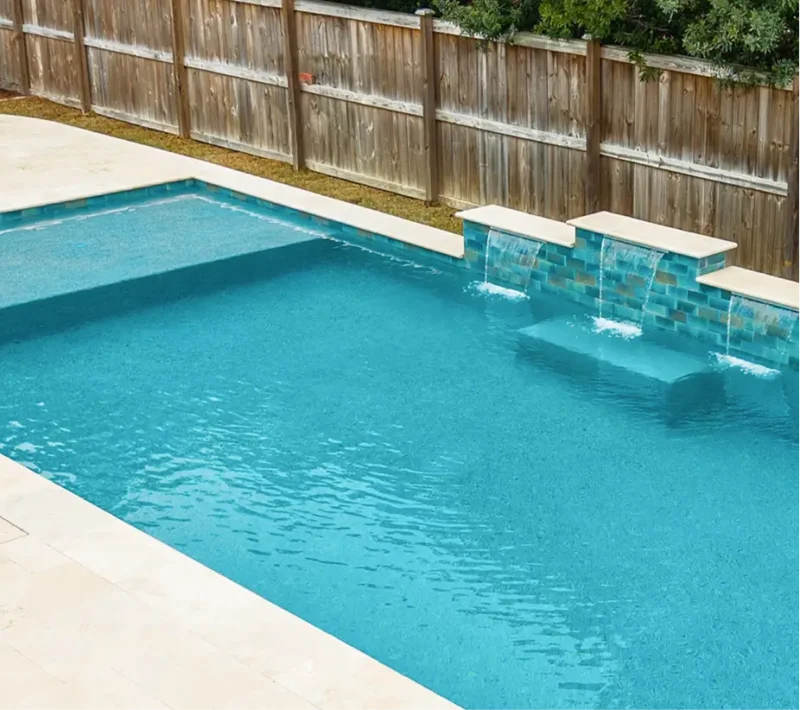
An important point worth noting about pool construction is, of course, the cost.
- The size and depth of the pool
- The complexity of its shape
- The type of construction method used (for example, concrete or gunite application versus fiberglass or vinyl liner installation)
- Soil conditions (For example, clay-heavy soil tends to be more challenging to install a pool because it expands. If your pool builder needs to address unstable earth or soil that expands, expect delays in your pool build)
- Soil grading or retaining-wall installations
- Installing water features like spas, lighting, automations, and heating
- The types of materials used on decking and outdoor living structures
- Labor and engineering costs
Each of these items can affect the final price tag of a custom pool build. Furthermore, we always recommend chatting with your pool builder about financing options.
Many pool builders have long-lasting relationships with trusted lenders who offer low rates and fixed terms to help you take a load off your shoulders when building your outdoor spa.
Benefits of custom pool construction
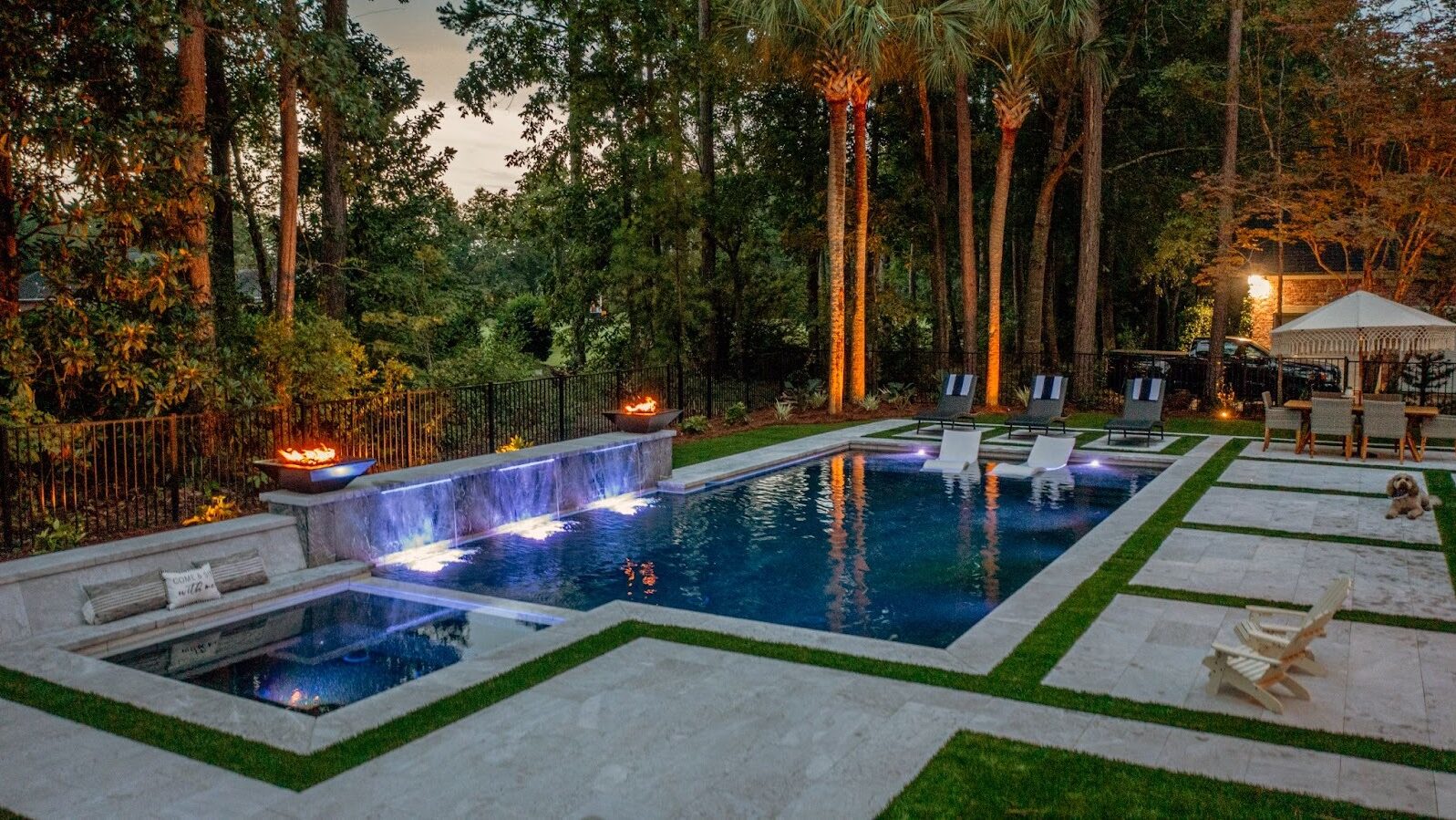
While the cost may be higher than a modular pool, the benefits of building a custom pool don’t compare. The advantages of building a custom outdoor spa include:
- Greater design flexibility
- Tailor-made fit for your unique outdoor space
- White-glove service built for your goals and your backyard
- You’ll be able to include pool features that pay dividends in the long term
- Increased property values
- Higher-end, cohesive look throughout your entire home
What to know before starting a custom pool project
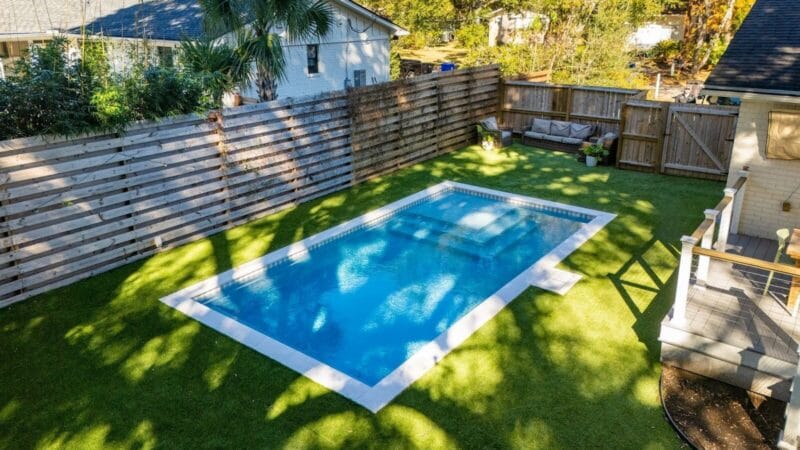
If you’re considering starting a custom pool project, here’s what you’ll want to keep in mind:
- Create a budget: Know your low- and high-end values for your budget before selecting features for your pool.
- Maintenance: Think about maintenance and usage over the long run. How much are you willing to invest?
- Timeline: Be prepared and willing to flex for the time it takes to install your new pool.
- Your builder: Choose a builder with values that align with yours. Builders who are transparent, have clear processes, and are strong communicators are ideal.
- Permitting, inspections, and project management: Ask your builders how they approach the pool process from start to finish. Understanding their work style will give you a feel for whether you would gel with the way they conduct business.
- Keep in mind the big picture: Consider how your pool will integrate with your entire backyard. What role would you like your pool to have in your backyard landscape and vice versa?
At the heart of these points is the age-old adage of knowing yourself first. When you can articulate what you’d like to gain from your pool venture, you’ll be able to better articulate it to your builder and build the pool of your dreams.
Is custom pool construction right for you?
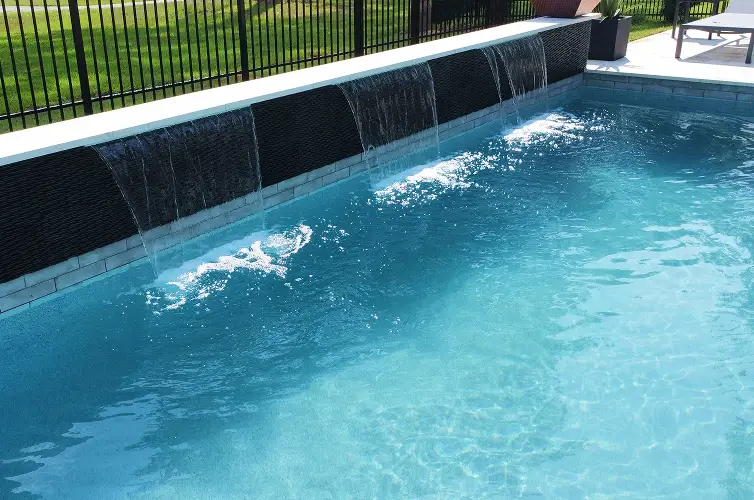
Custom pool construction is for individuals who want the dynamic duo of being able to personalize and design their backyard to their heart’s content. It’s for people who value luxury outdoor living or who have yards with unique shapes or elevation changes.
If you’re looking for a brand new backyard spa, look no further than a custom pool. Custom pools allow you to tailor each feature to your unique lifestyle and aesthetic, giving you ultimate control over your backyard.
If you’re looking for someone to help you make your vision a reality, we’re here for you. Our team of professional pool builders has been shaping pools for more than 20 years.
Plus, every pool we build comes with complementary education and energy-efficient features. If you’re looking for reliable service by a team of experts who can get the job done right the first time, we can help.
Transform your backyard paradise with a new custom pool, and get a partner for life. To get an in-home estimate for your new backyard pool, contact us today.
Frequently asked questions (FAQ) about custom pool construction
1. What is custom pool construction?
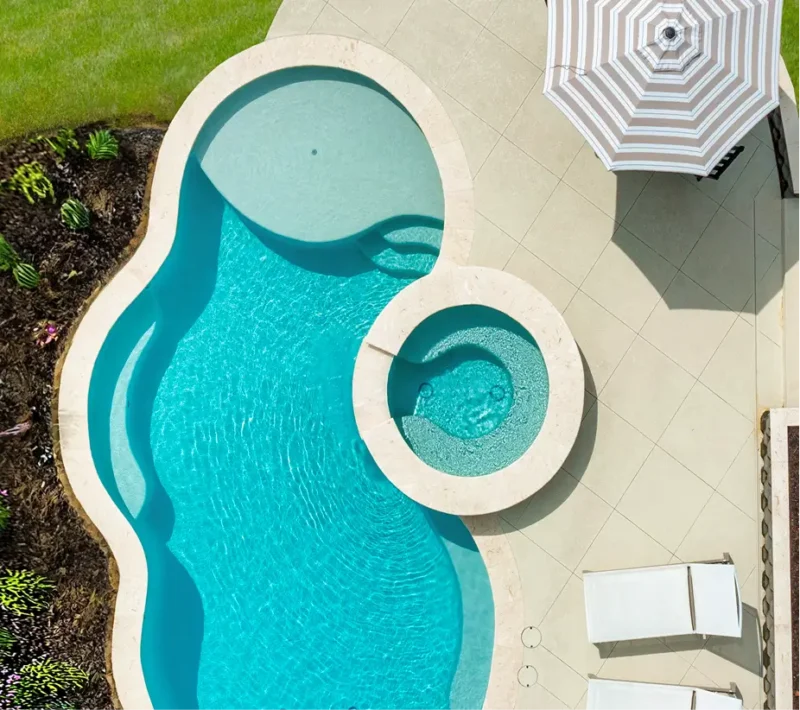
Custom pool construction refers to luxurious backyard pools that go beyond the traditional rectangular-style pool. What’s more, custom pool construction reflects the homeowner’s personalized aesthetic and lifestyle by allowing homeowners to build the exact shape, dimensions, features, aesthetics, and functionality of their pool.
2. How long does custom pool construction take?
Custom pool construction can take anywhere from 30-60 days to three to six months. The process depends on the complexity of the build, weather conditions, permitting process, site conditions, and excavation process.
3. What features can be added to a custom pool?
Features that can be added to a custom pool include, but aren’t limited to the following:
- Tanning ledges
- Infinity edges
- Waterfalls
- Deck jets and bubblers
- Fountains
- Bars and stools
- Pool covers
- LED lighting
- Fire features like fire bowls
- Sheer walls
- Outdoor kitchens and bars
- Outdoor shade structures
- Sound systems
👉🏼Check out this Lowcountry-based pool to see what these water features look like in action.